Strategic approaches from the NGHS’ center for simulation and innovation authors
Our Mission
The Center for Simulation and Innovation promotes high-quality and safe patient care, enhances education, and develops research through excellence in multimodal simulation-based training and experiential learning.
Our vision is to be a global leader in simulation education, enhancing team performance and communication, and improving patient outcomes throughout our community.

YouTube
Visit our YouTube channel to view highlights from our programs, including resident physician education, nurse residency, and outreach initiatives.
Our Instagram highlights day-to-day program engagement, resident education and outreach efforts.
Simulation-based gamification
Simulation-based gamification offers a structured approach to reinforcing clinical knowledge, teamwork, and clinical reasoning for GME learners. The strategies described may be adapted to a variety of educational settings.
These are highlighted examples of educational games available at our simulation center for GME learners. For additional details or implementation guidance, readers are encouraged to contact the authors.
Escape Box
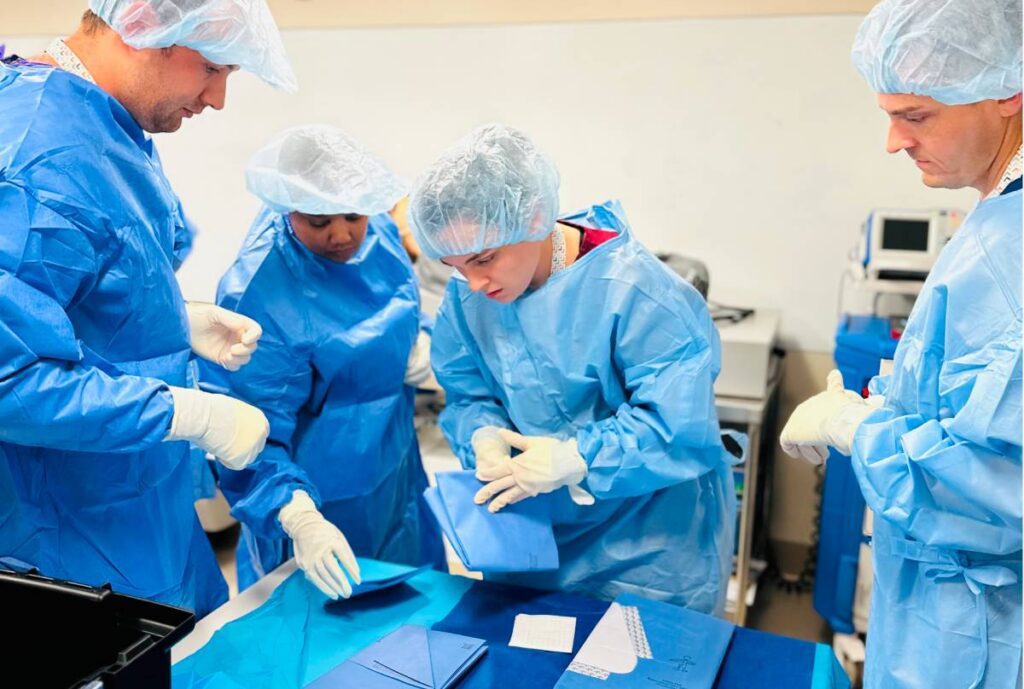
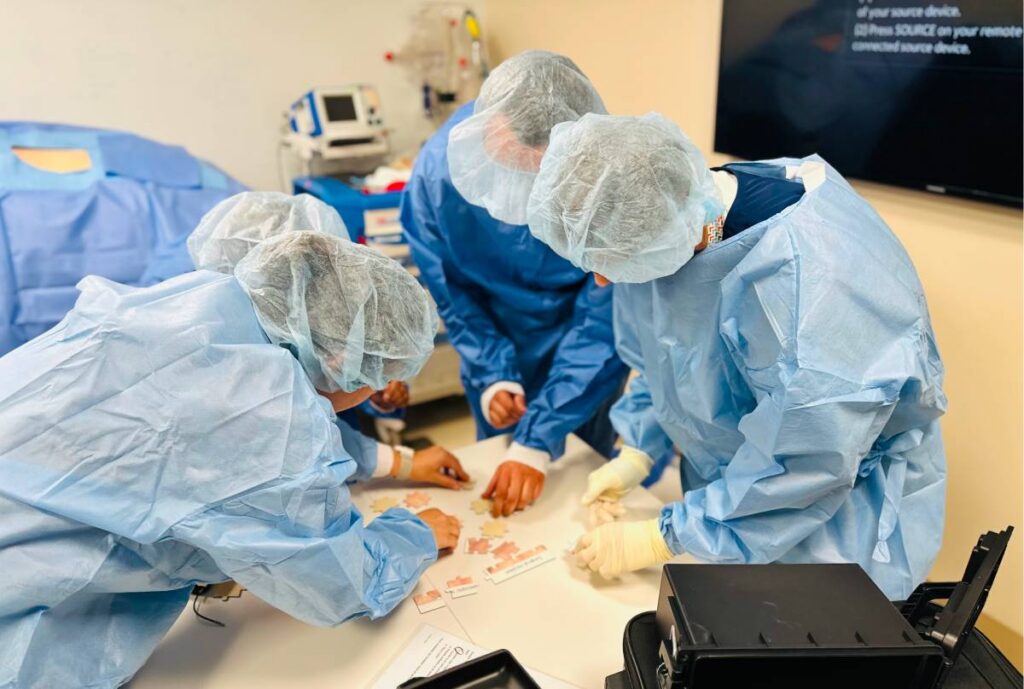
The escape box uses a box-within-a-box format that requires learners to solve clinically relevant challenges to progress. Tasks are designed to reinforce policies, procedures, and diagnostic reasoning while promoting teamwork and communication under time pressure.
Sim Wars
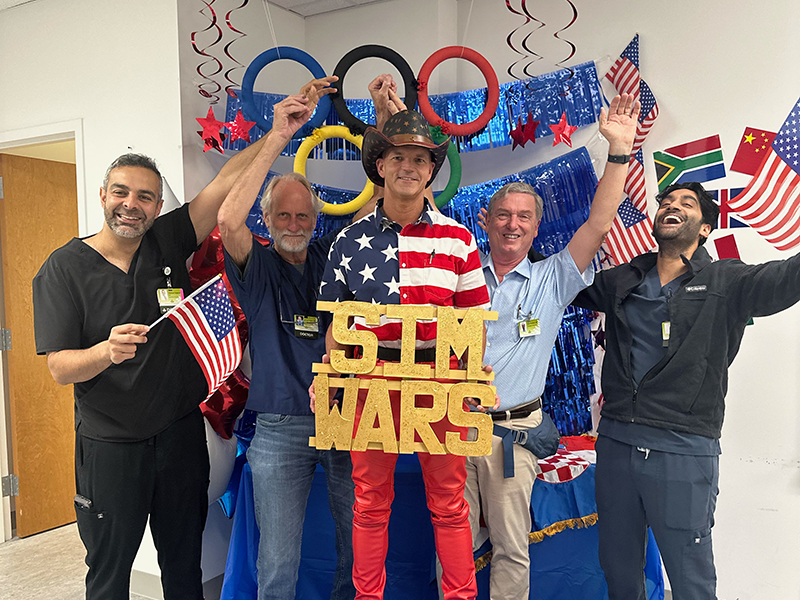
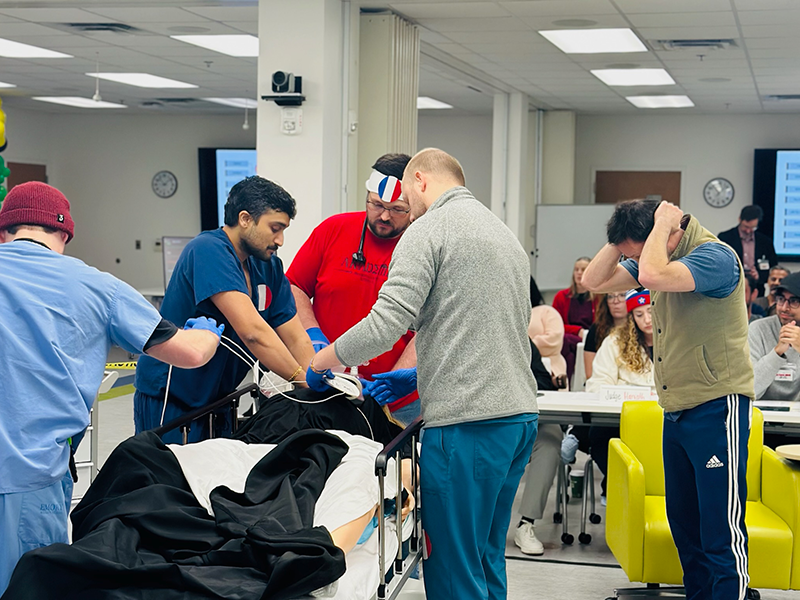
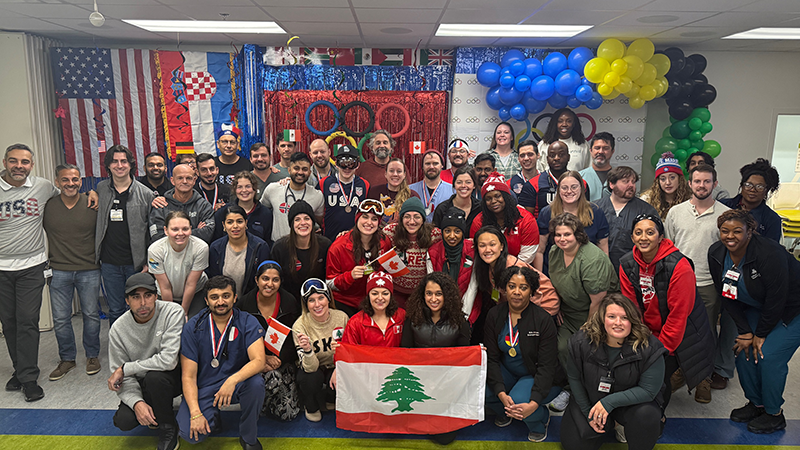
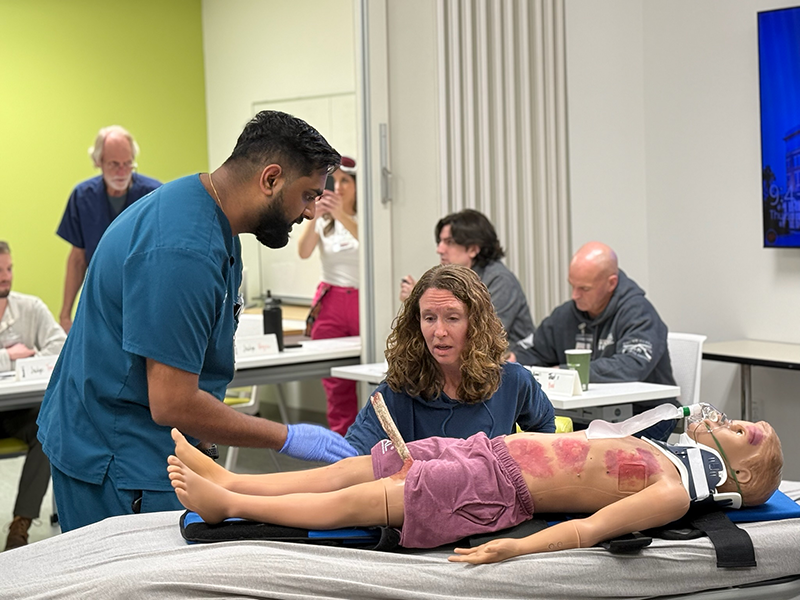
Sim Wars places teams in head-to-head simulation scenarios focused on rapid assessment, prioritization, and clinical decision making. Scenarios emphasize protocol adherence, communication, and effective team dynamics.
Charades
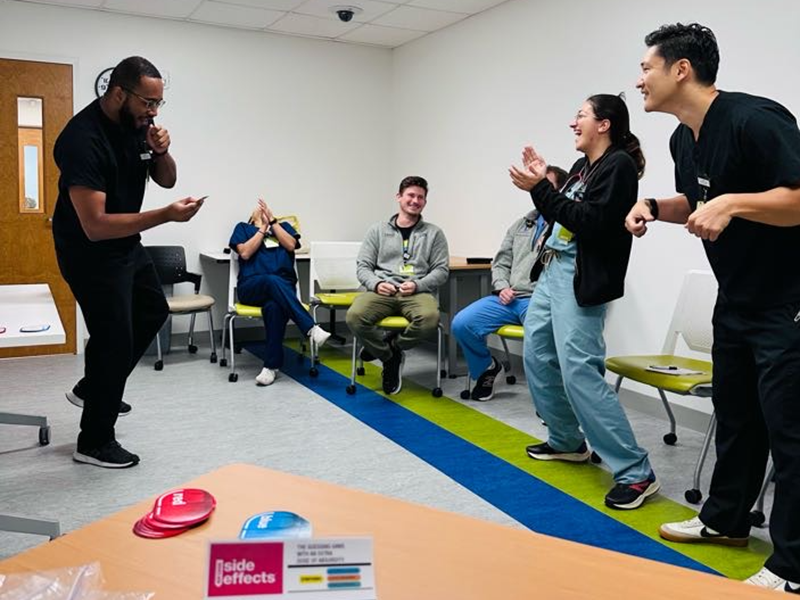
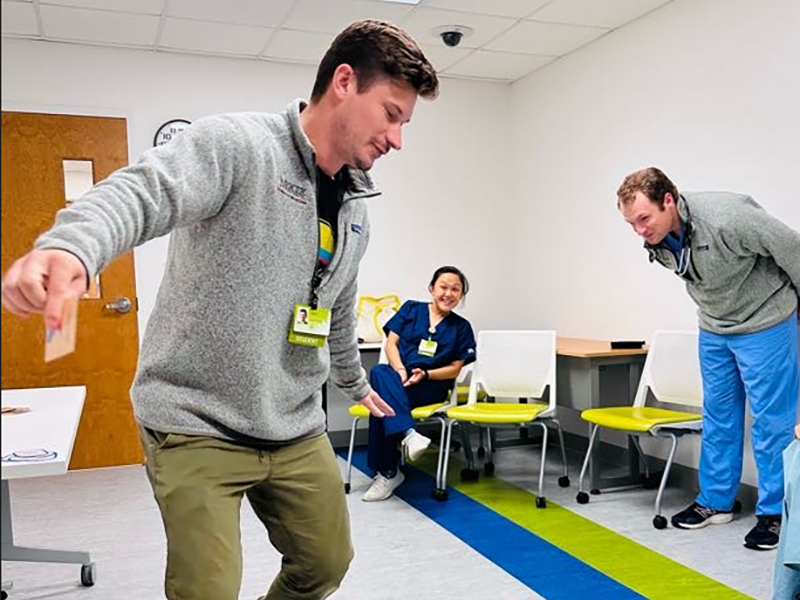
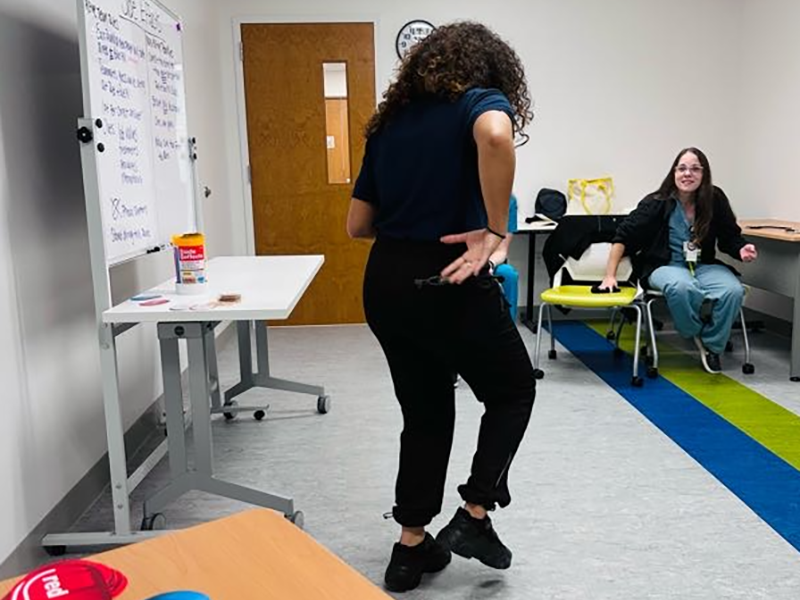
This activity is divided into two phases. Learners first identify a diagnosis through a charades-style format, then transition into a timed discussion of assessment, diagnostics, treatment, and disposition to reinforce clinical reasoning and efficiency.
Trivia
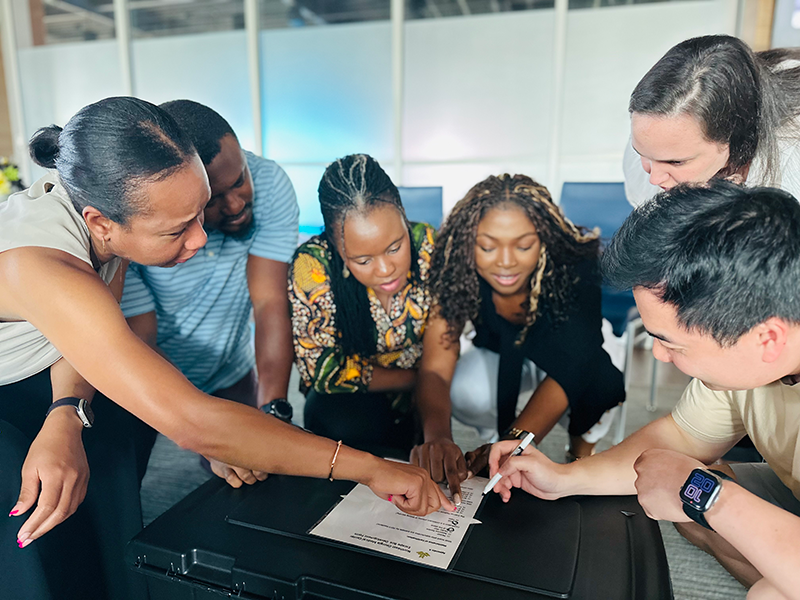
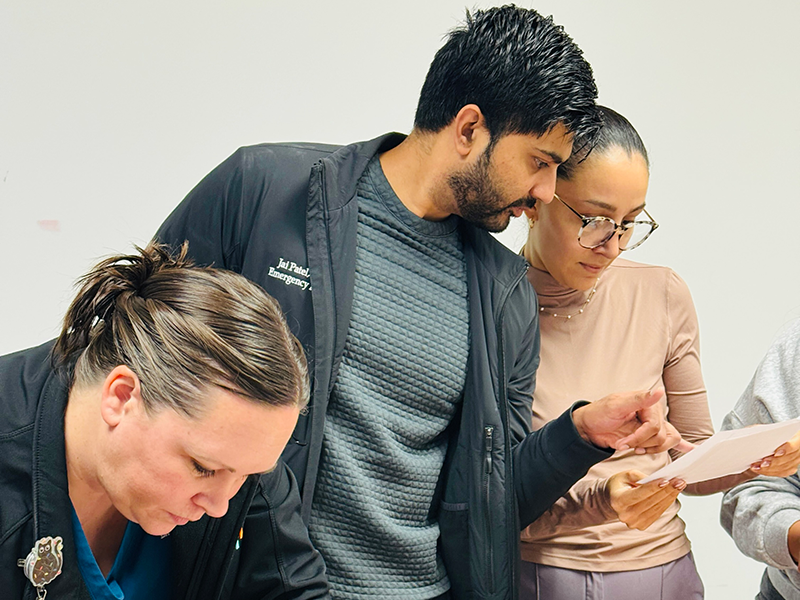
Trivia games promote active recall and discussion of key clinical topics. This format supports engagement while reinforcing foundational knowledge and clinical reasoning.
Wheel of Fortune
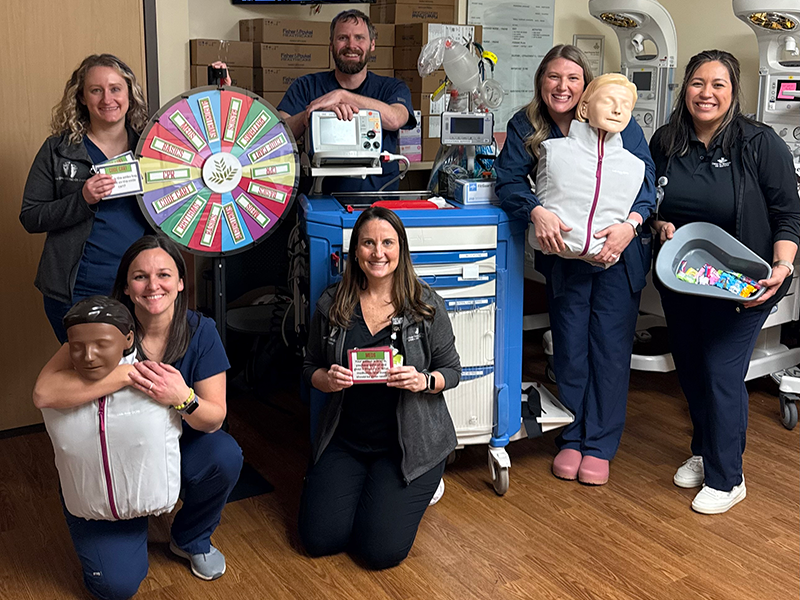

A customizable wheel is used to assign topics such as ACLS, PALS, and OB emergencies. Learners respond to scenario-based prompts tied to each category, reinforcing clinical knowledge, prioritization, and team discussion in an interactive format.
Jenga

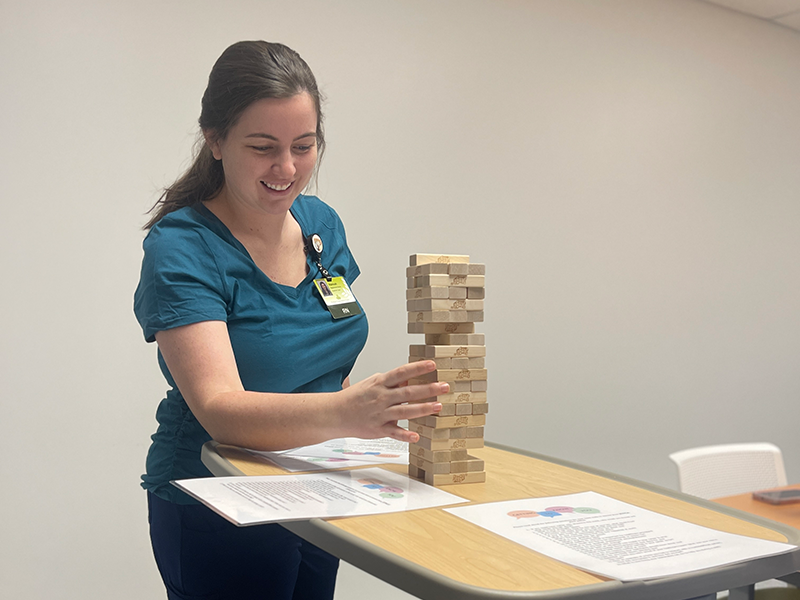
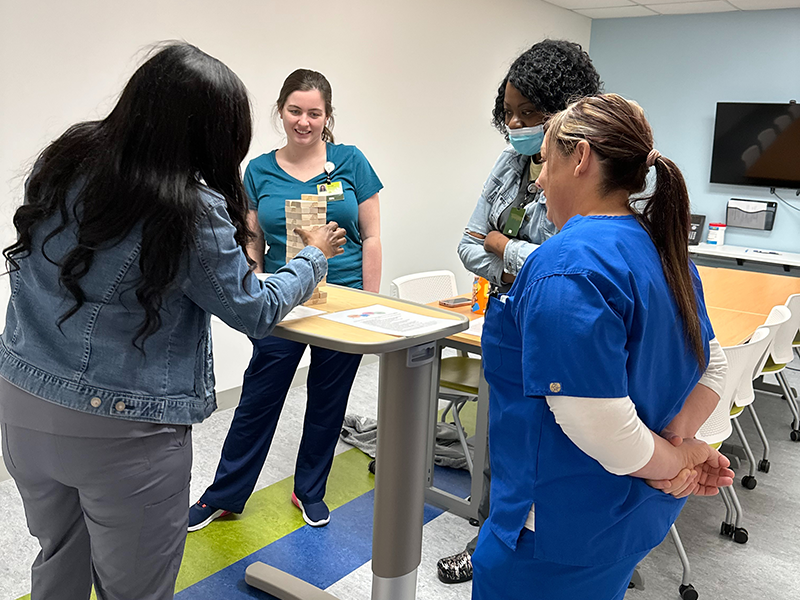
Jenga is adapted by linking each numbered block to a clinical question or prompt. As learners remove blocks, they apply knowledge related to policies, procedures, and diagnoses in an interactive, low-stakes environment.
Hearing Voices

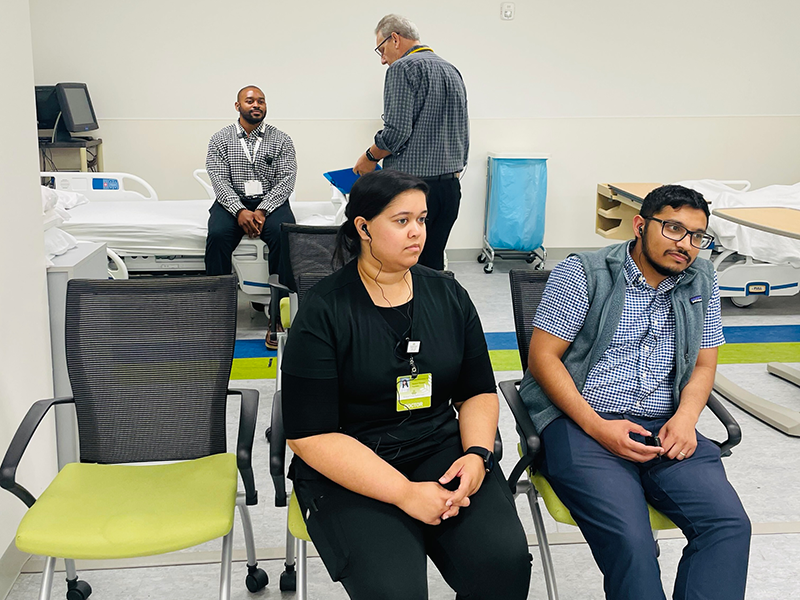
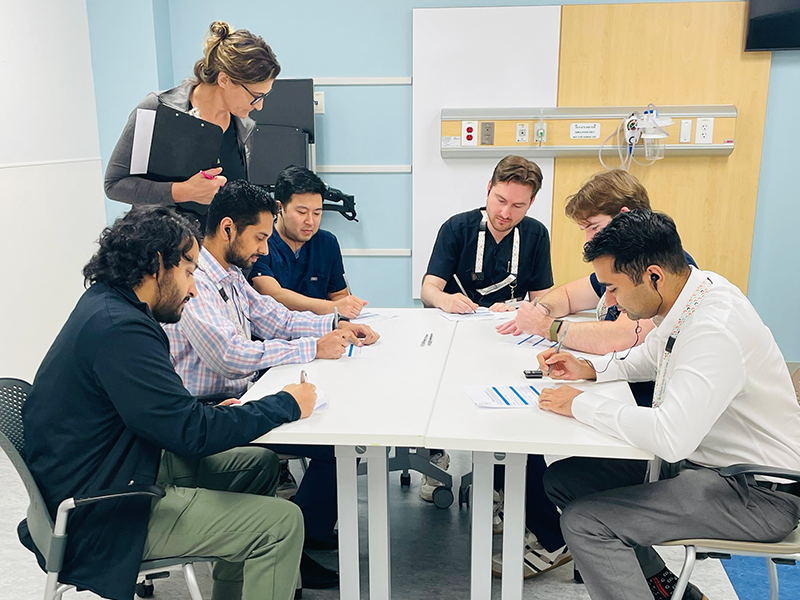
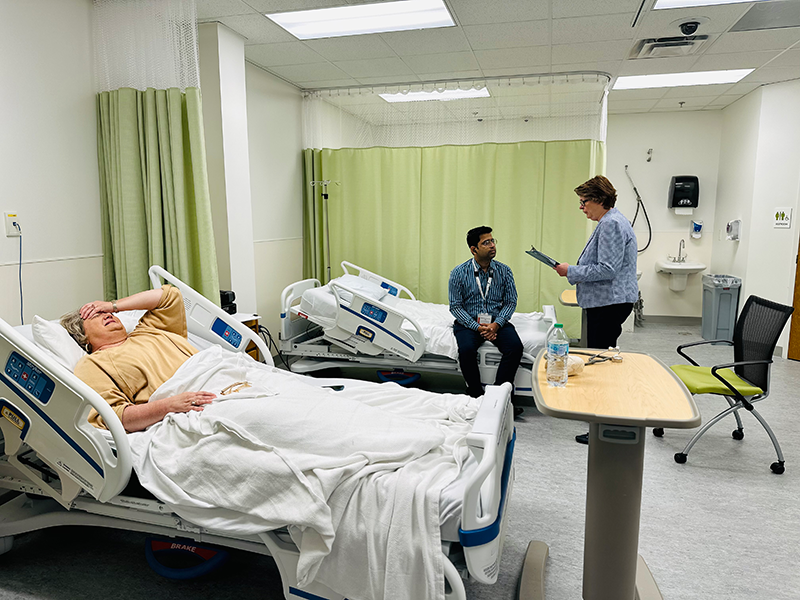
Learners wear headphones playing distressing auditory stimuli while completing routine tasks. This experience places learners in the perspective of a patient with schizophrenia, fostering empathy and awareness of cognitive and communication challenges.
MCI


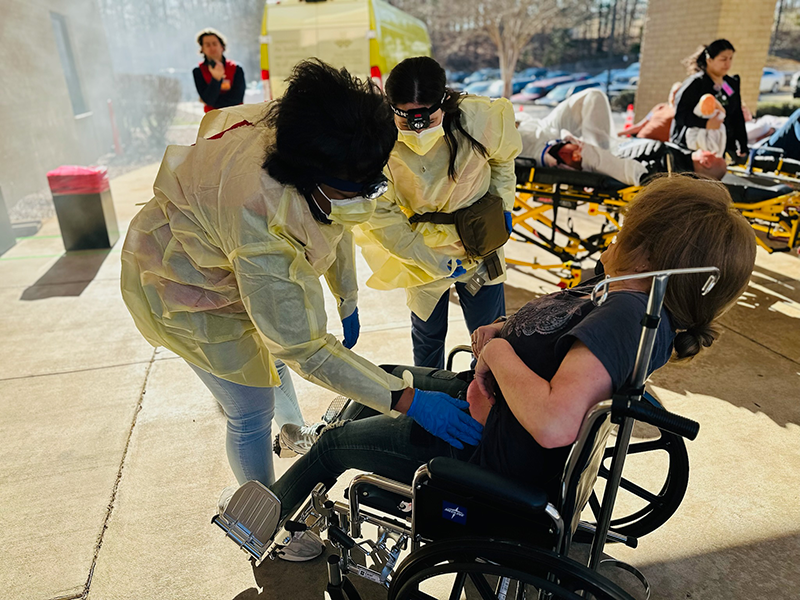
The mock mass casualty incident immerses learners in a high-acuity, high-volume scenario requiring triage, prioritization, and coordinated team communication. The activity reinforces disaster response and system-based practice.
Dating Game
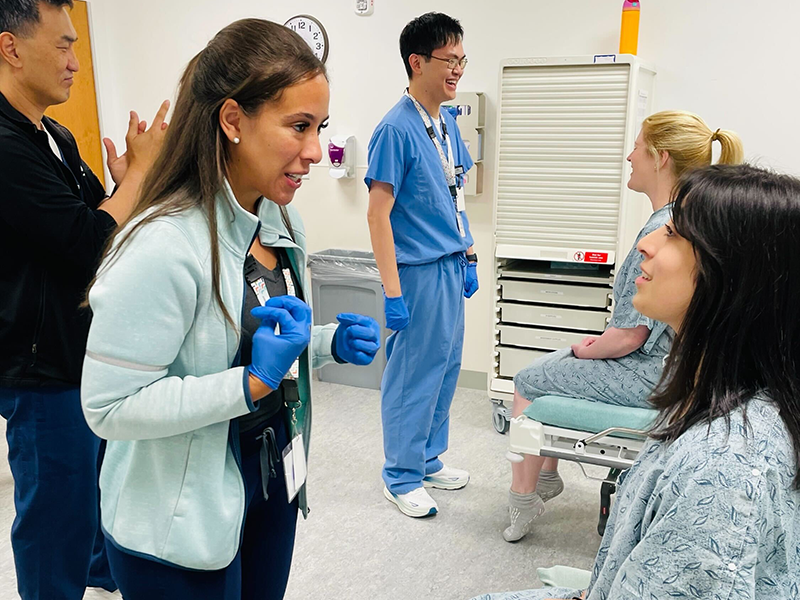
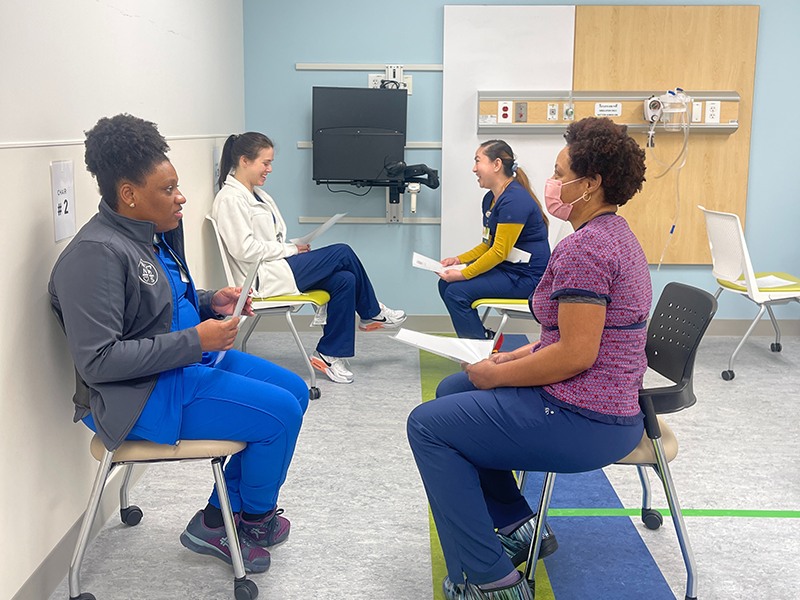

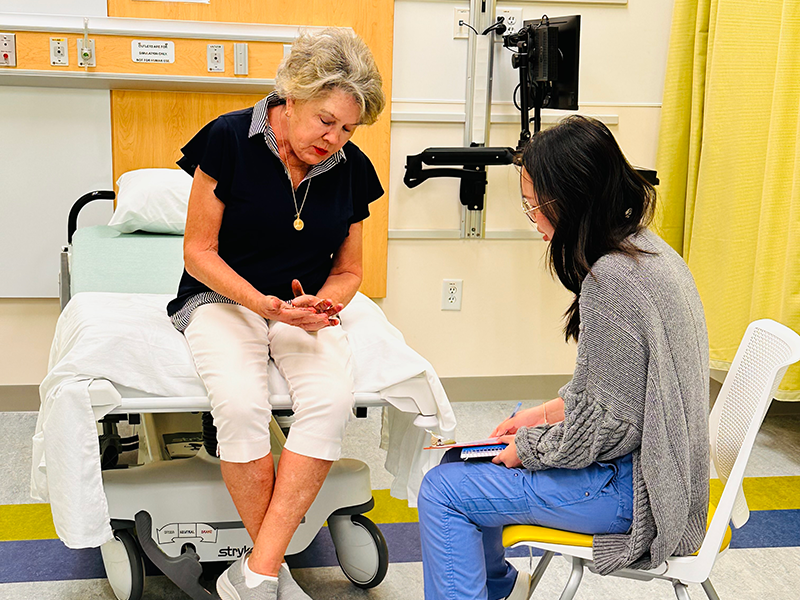
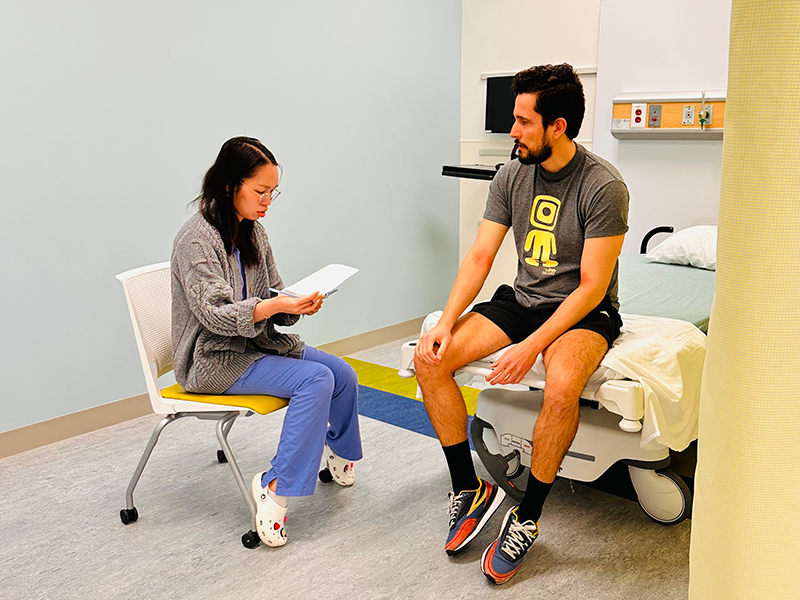
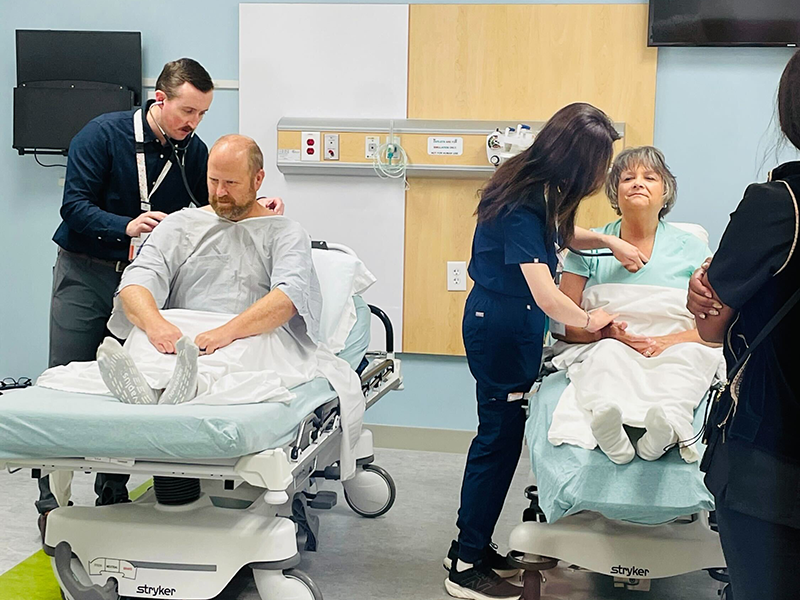
In this activity, learners “date” a patient by asking targeted questions to determine the most appropriate care plan. The game guides teams through assessment, diagnostics, treatment, and disposition in a patient-centered format.
Relay Race
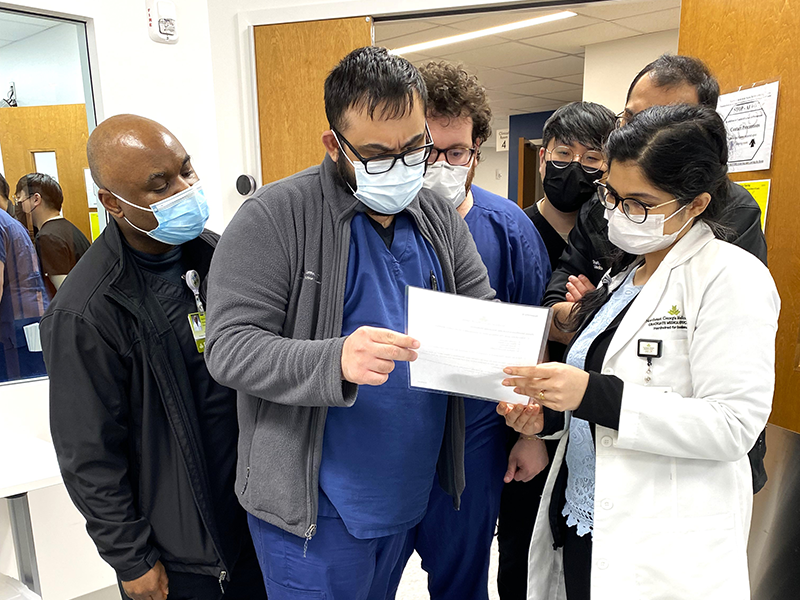
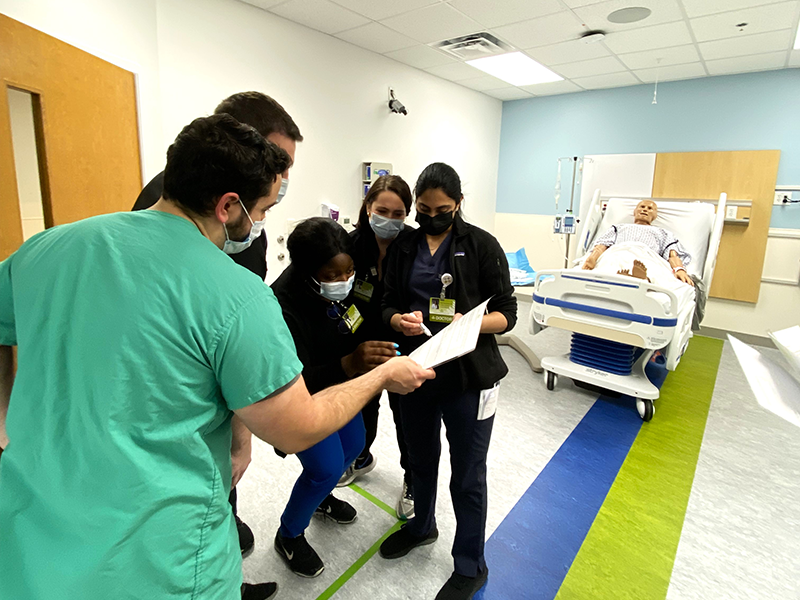
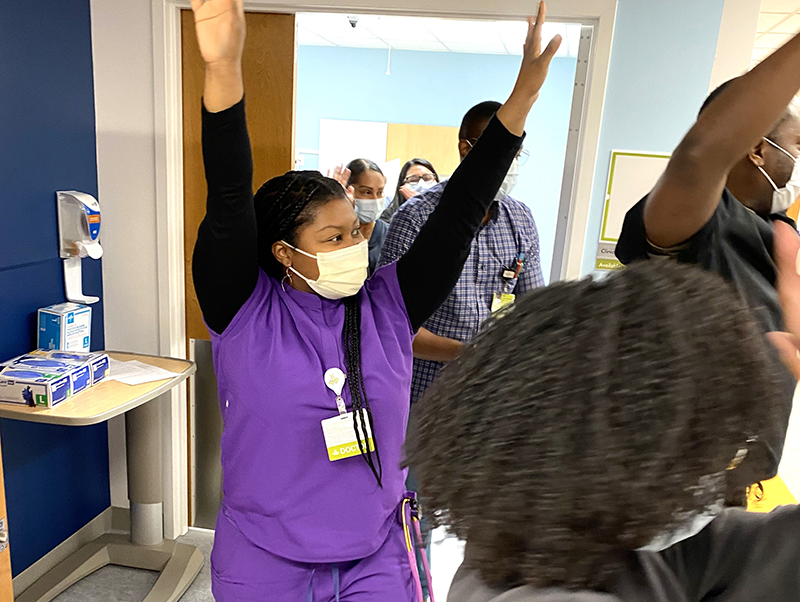

The relay race divides clinical tasks among team members, requiring accurate handoffs and efficient progression through patient care. The activity emphasizes teamwork, communication, and workflow efficiency.
Room of Errors
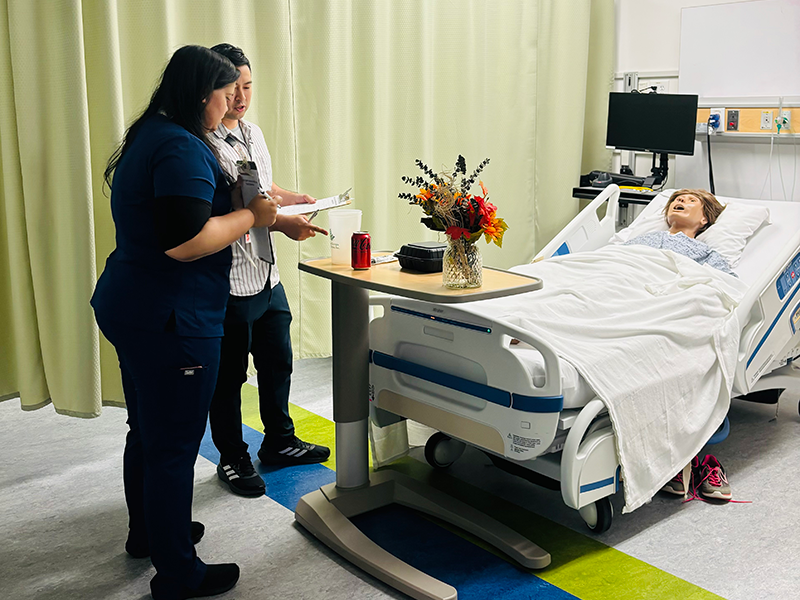
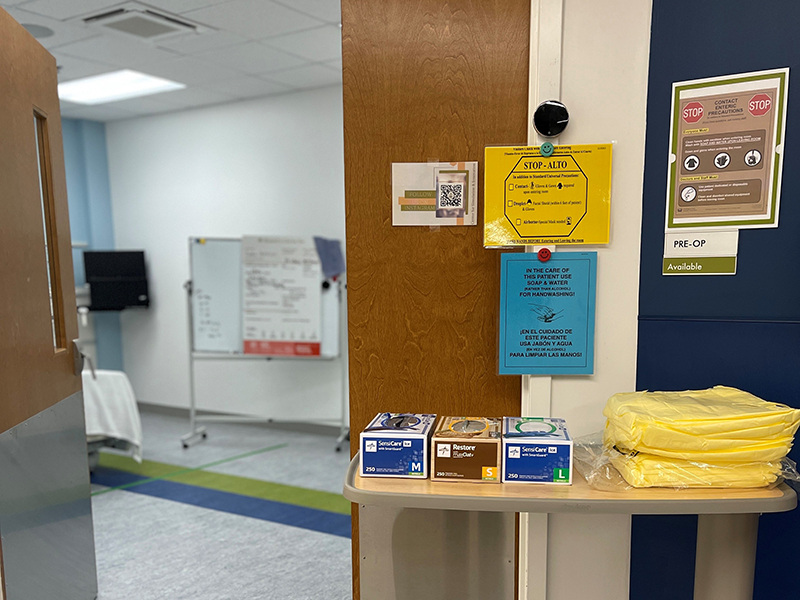
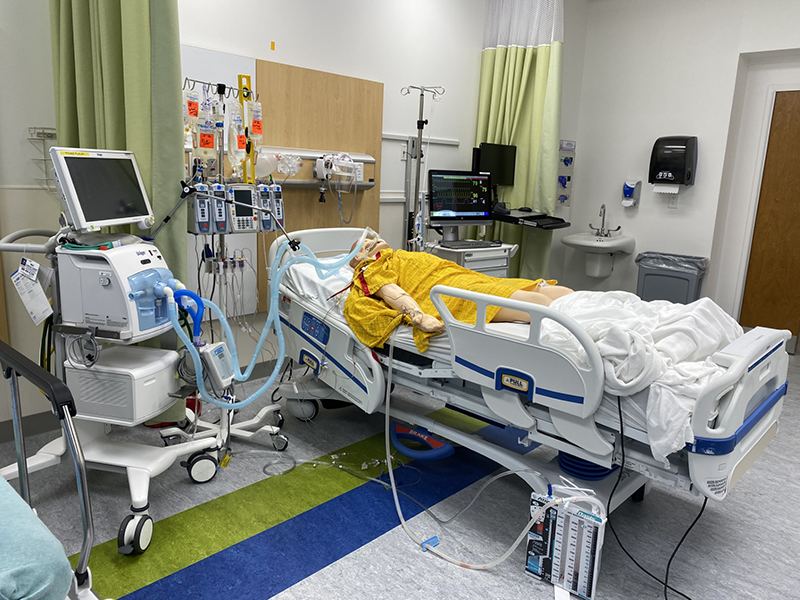
Learners identify intentional safety hazards and clinical errors within a simulated environment. This activity promotes situational awareness, patient safety, and recognition of system-level risks.
Jeopardy
Jeopardy is used to reinforce core clinical concepts, guidelines, and workflows through a structured, competitive format. The game encourages participation while allowing for real-time clarification and discussion.
Family Feud
Family Feud emphasizes group discussion and consensus building through clinically focused prompts. Teams work together to identify appropriate responses, reinforcing prioritization and shared decision making.