
Tasha Murchison named IMSH educator of the year
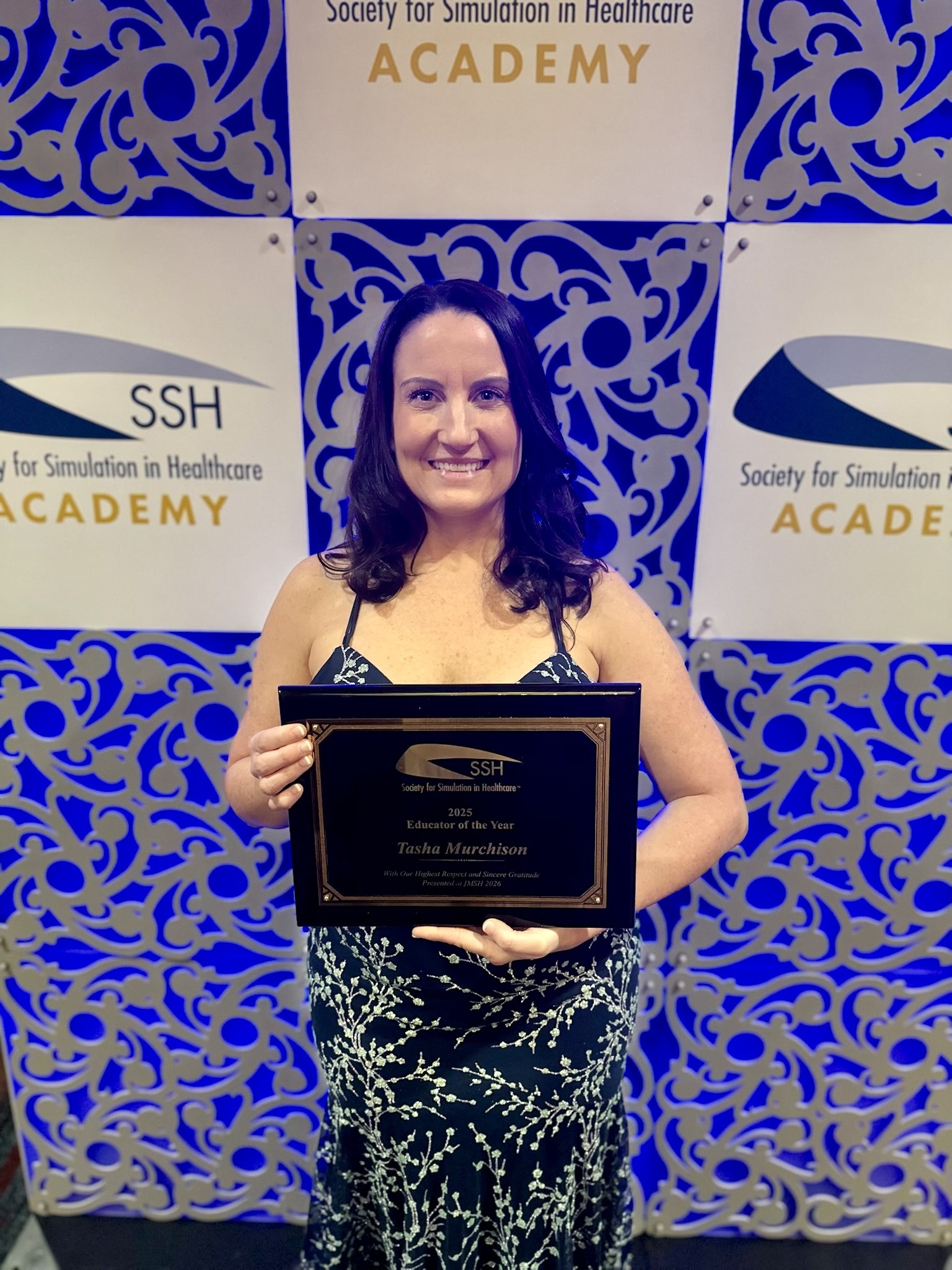
Tasha Murchison, MSN-Ed, RN, RNC-OB, C-EFM, has been named the 2025 Society for Simulation in Healthcare “Educator of the Year.” This prestigious honor recognizes educators who bring exceptional creativity, skill and compassion to simulation-based education.
The award is given each year to someone who has made outstanding contributions to simulation-based healthcare education. Tasha, a clinical simulation educator with the Center for Simulation and Innovation, was chosen for her exemplary innovation and excellence in addressing maternal healthcare disparities through transformative educational practices.
Tasha’s passion for education is rooted in a simple, powerful calling she often shares: “Saving pregnant women, one woman at a time.” This mission shines through everything she does.
With 25 years of clinical experience, Tasha has reshaped maternal healthcare education by creating innovative approaches to address Georgia’s maternal health crisis. Her commitment has made a real difference for communities facing some of the toughest maternal health disparities in Georgia.
Please join us in congratulating Tasha on this remarkable honor! Here’s to continued learning, impact and saving “one mom at a time.”
The Center for Simulation and Innovation presents at 2026 IMSH conference
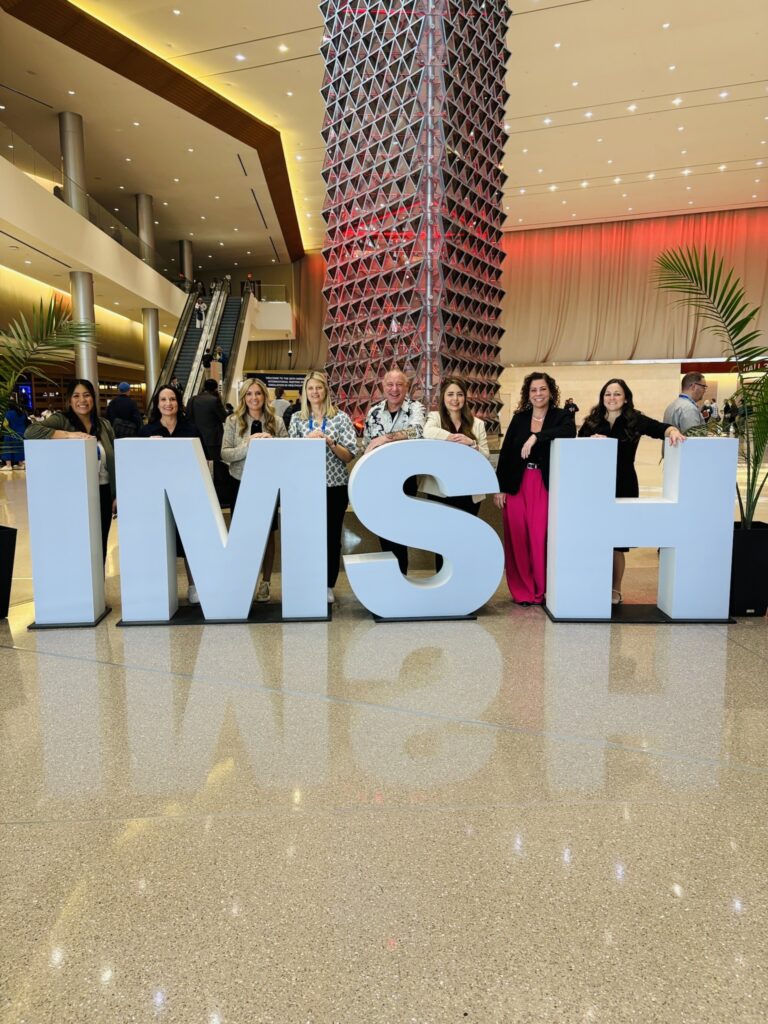
The Center for Simulation and Innovation proudly presented multiple innovative educational sessions at the 2026 International Meeting on Simulation in Healthcare (IMSH). The presentations showcased the center’s commitment to advancing simulation-based education and demonstrated the collaborative partnerships that have become hallmarks of their work. These sessions reflected months of curriculum development, stakeholder engagement, and evidence-based instructional design aimed at transforming healthcare education through immersive learning experiences.
Simulation in sync: reimagining nurse residency through collaboration and integration
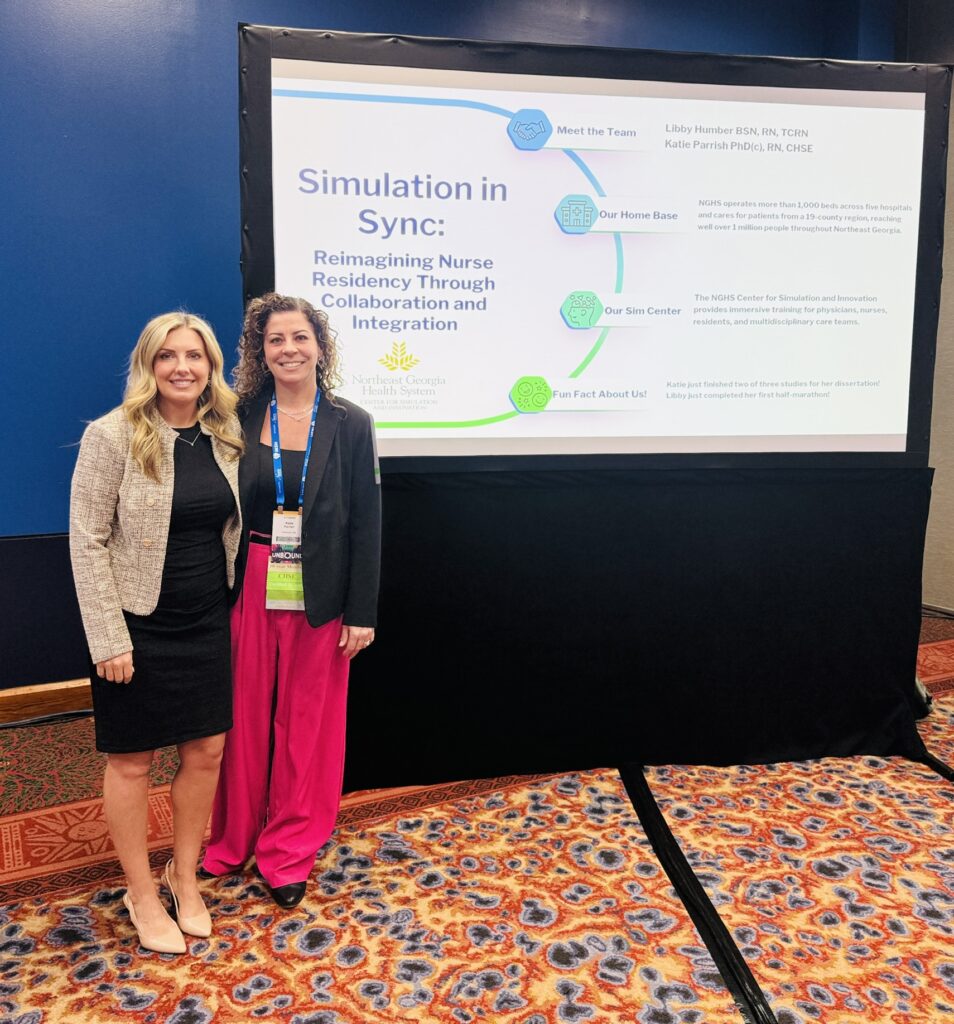
Libby Humber, BSN, RN, TCRN, and Katie Parrish, PhD(c), RN, CHSE, presentation examined the evolution of NGHS’s nurse residency simulation curriculum from basic workshop-based training to a sophisticated, stacked learning experience that threads simulation throughout the entire residency year. The session walked attendees through a detailed curriculum timeline featuring five key educational touchpoints: Midweek (introduction to simulation), End of Life (innovative active observation design), Putting It All Together (application of learning), ECCO (specialty-specific immersive scenarios), and Credentialing (simulation-based certification courses).
What set this presentation apart was its focus on collaborative partnerships that make comprehensive simulation programming possible. They showcased how the CSI team successfully integrates subject matter experts from rapid response teams, sepsis navigation, patient experience, informatics, hospice care, and various clinical specialties to co-design scenarios, facilitate debriefings, and ensure clinical accuracy. The session included video demonstrations of actual simulation scenarios, discussion of evaluation methods that span from individual simulation assessments to annual stakeholder reviews, and practical strategies for addressing common implementation barriers such as resource constraints and faculty readiness. Attendees left with a replicable toolkit of integration strategies, templates for curriculum mapping, and concrete examples of how interprofessional collaboration can elevate simulation-based learning outcomes for nurse residents.
Mind games: transforming psychiatric education through immersive simulation
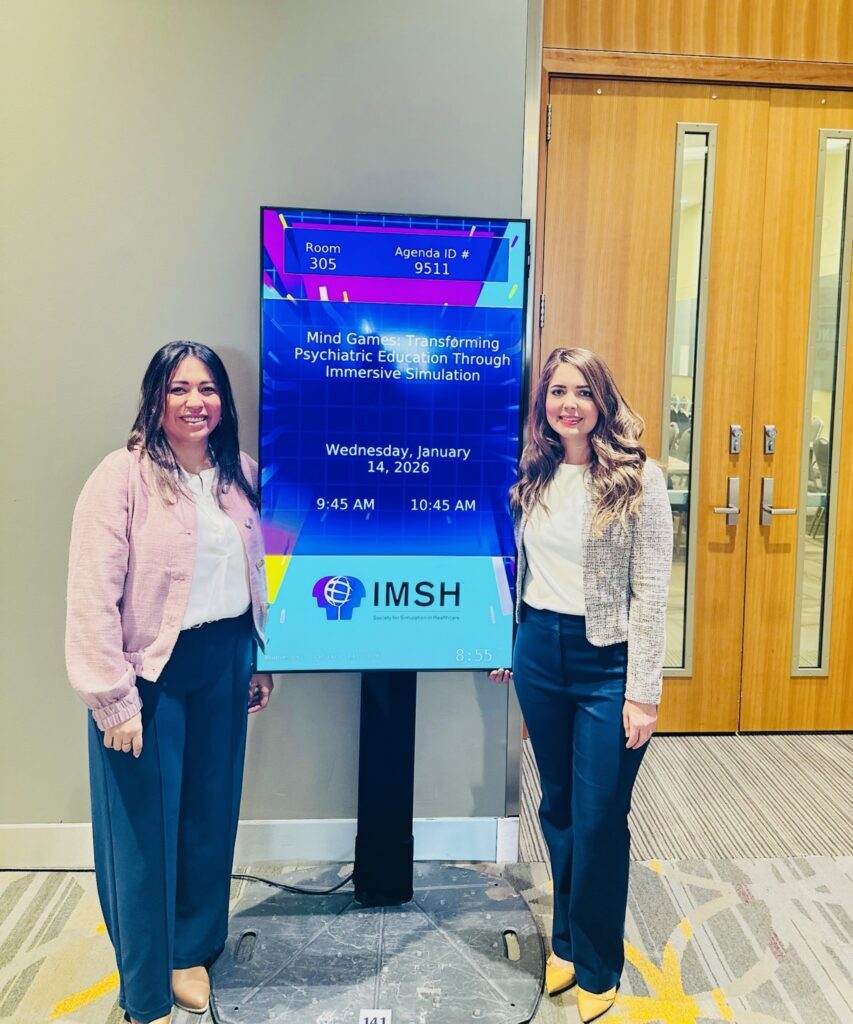
In a groundbreaking 60-minute hands-on workshop, Yesica Castaneda White, BSN, RN, TCRN, and Corey Hill, MSN-Ed, RN, CRRN, NPD-BC, CNEcl, CHSE, introduced attendees to innovative strategies that reimagine mental health education. This interactive session, grounded in Kolb’s experiential learning theory and neuroscience principles, engaged participants in a series of powerful activities designed to build empathy, strengthen clinical decision-making, and reduce stigma surrounding psychiatric conditions. Participants experienced demonstrations of the Escape Box challenge (a gamified psychiatric knowledge assessment), the Room of Errors activity (identifying safety threats in simulated psychiatric environments), Impairment Goggles (experiencing cognitive and physical limitations), a Choose Your Adventure psychiatric simulation (decision-based interactive scenario), and the profound Voices Within Workshop where participants listened to simulated auditory hallucinations while attempting clinical tasks.
The session addressed a critical gap in healthcare education: the need for deeper empathy and clinical competence in psychiatric care. By allowing learners to temporarily embody the lived experiences of patients with mental health conditions, these immersive strategies created lasting behavioral change and improved patient-centered care. Beyond the experiential activities, the workshop provided practical implementation guidance including curriculum mapping templates, stakeholder engagement strategies, evaluation plans that measure affective, cognitive, and behavioral outcomes, and approaches for adapting activities to resource-limited settings. This session empowered educators to create transformative mental health learning environments that prioritize inclusion, reflection, and the dignity of patients living with psychiatric conditions, while providing tangible and intangible returns on investment for healthcare organizations.
Saving mothers, changing outcomes: using mobile simulation and education to improve maternal health in Georgia
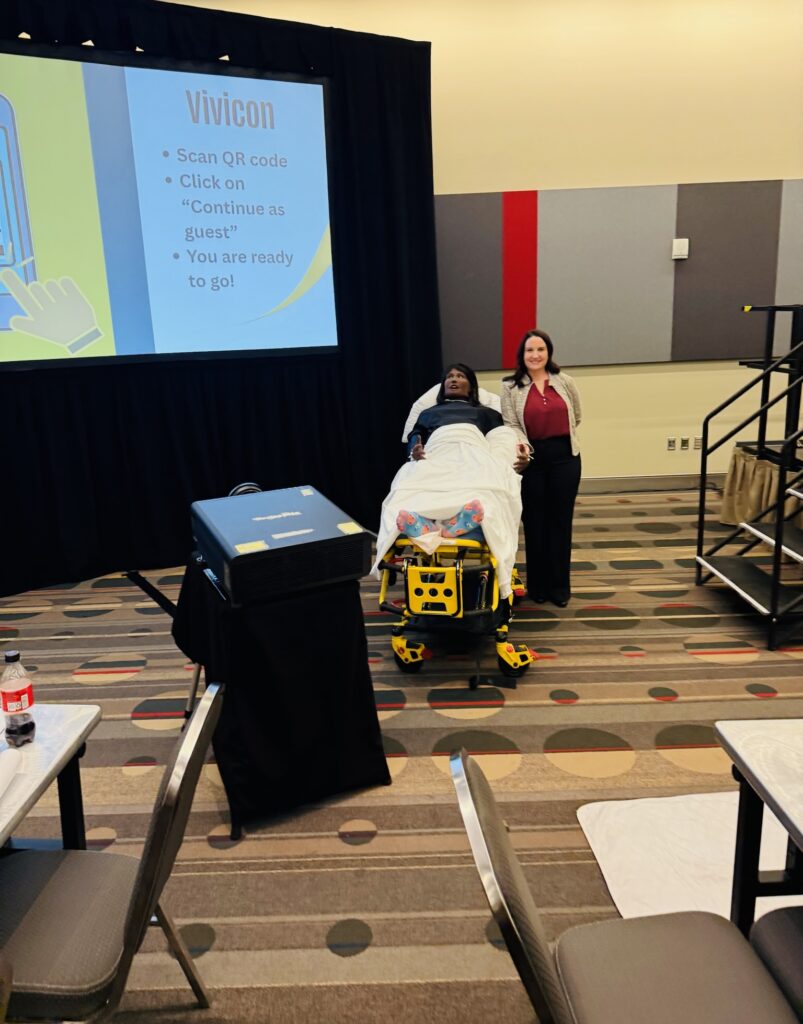
Tasha Murchison, MSN-Ed, RN, RNC-OB, C-EFM, represented the CSI team at IMSH with a compelling presentation on the mobile simulation program that brings critical maternal emergency training directly to rural EMS stations across Georgia. Recognizing that many emergency medical providers in rural areas have limited exposure to obstetric emergencies and often feel underprepared to manage these high-stakes scenarios, the CSI team developed a dynamic approach to eliminate geographical barriers to specialized training. Murchison showcased how the mobile simulation unit delivers hands-on, scenario-based learning experiences featuring realistic maternal emergency situations such as hypertensive crises during delivery, allowing EMS teams to practice essential interventions in a safe, controlled environment. Through immersive simulations followed by structured debriefing sessions, participants gain clinical confidence and decision-making skills necessary to respond effectively when seconds matter. The presentation demonstrated how the CSI team’s community-focused educational initiatives represent a powerful model for addressing healthcare disparities, showing how bringing training to the frontlines could strengthen emergency response capabilities and ultimately improve maternal health outcomes in the communities that needed it most.
Play to learn, train to heal: gamified strategies for simulation
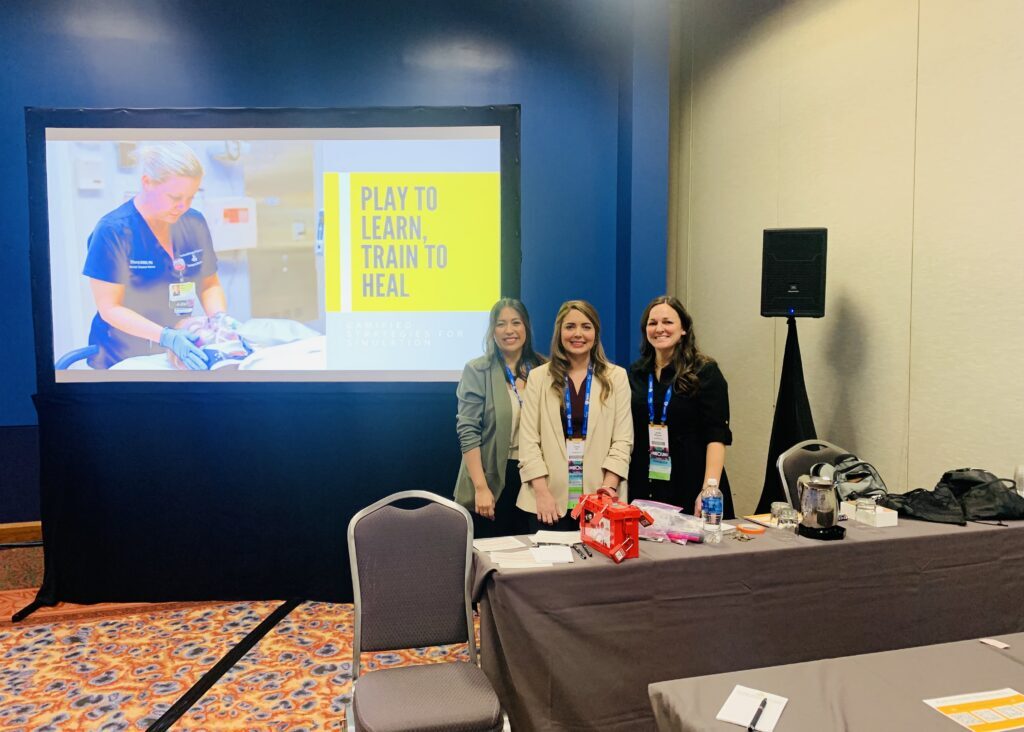
Lauren Wisnoski, MSN, RN, CEN, TCRN, Yesica Castaneda White, BSN, RN, TCRN, and Corey Hill, MSN-Ed, RN, CRRN, NPD-BC, CNEcl, CHSE, delivered an energetic and interactive 60-minute hands-on workshop demonstrating how gamification transforms simulation into an immersive experience that boosts learner engagement, retention, and critical thinking. Participants experienced easy-to-implement games including escape boxes that challenge problem-solving under pressure, dating game diagnostics that make clinical assessment memorable, clinical charades that reinforce medical terminology and teamwork, and communication puzzles that develop essential patient interaction skills. They also showcased additional gamification strategies such as Jeopardy-style knowledge competitions, spin-the-wheel scenario selections, and QCPR (Quality CPR) games that provide real-time feedback during resuscitation training.
The workshop emphasized practical implementation strategies that educators could immediately incorporate into their own simulation programs regardless of resource constraints or technological limitations. They demonstrated how these gamified tools reinforce clinical skills, enhance teamwork, and improve decision-making under pressure while creating a fun and memorable learning environment. Attendees left the session with concrete ideas, templates, and the inspiration to infuse creativity into their simulation curricula.
UNBOUND: Transforming Healthcare Education Through Standardized Patients
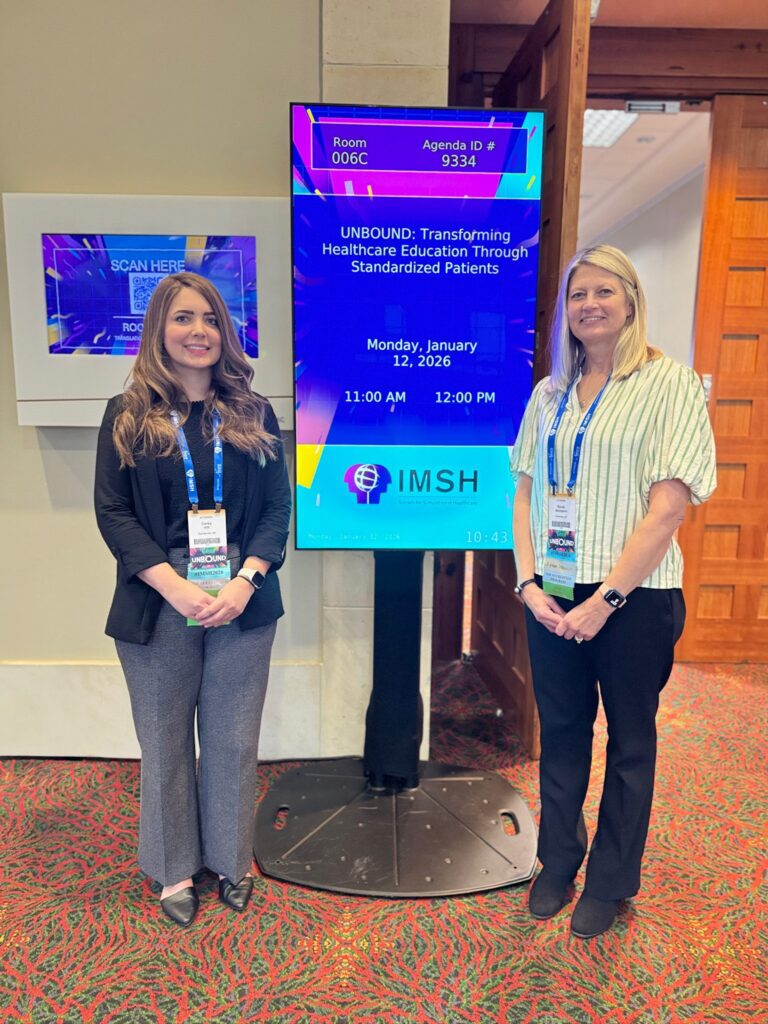
Nicole Beringson, MSN, RN, CNML , and Corey Hill, MSN-Ed, RN, CRRN, NPD-BC, CNEcl, CHSE, presentation offered attendees a comprehensive look at how standardized patient (SP) programming can revolutionize healthcare education. This presentation explored the fundamental role that SPs play in creating realistic, emotionally authentic learning experiences that bridge the gap between theoretical knowledge and clinical practice. They shared their journey in building a robust SP program from the ground up, including recruitment strategies that tap into local community talent, training methodologies that prepare individuals to portray complex patient scenarios with consistency and realism, and integration techniques that weave SP encounters throughout curricula from orientation through advanced specialty training.
The session highlighted innovative applications of SP methodology across diverse educational contexts including nurse residency programming, interprofessional team training, communication skills development, difficult conversation practice, and cultural competency education. Presenters discussed the critical importance of psychological safety for both SPs and learners, sharing practical approaches to pre-briefing, scenario design, and debriefing that protect participant wellbeing while maximizing educational impact. They also addressed common implementation challenges such as budget constraints, space limitations, scheduling complexities, and program sustainability, offering creative solutions and lessons learned from their own experience. Attendees gained insights into evaluation strategies that demonstrate the value and effectiveness of SP programming, including methods for measuring communication competency, empathy development, and clinical decision-making improvement. By “unbinding” the potential of standardized patients, the NGHS’s CSI team empowered simulation educators to recognize SPs as invaluable partners in creating transformative, patient-centered learning experiences that prepare healthcare professionals for the complexities of real-world clinical practice.
Learn more about the Center for Simulation and Innovation at NGMC.