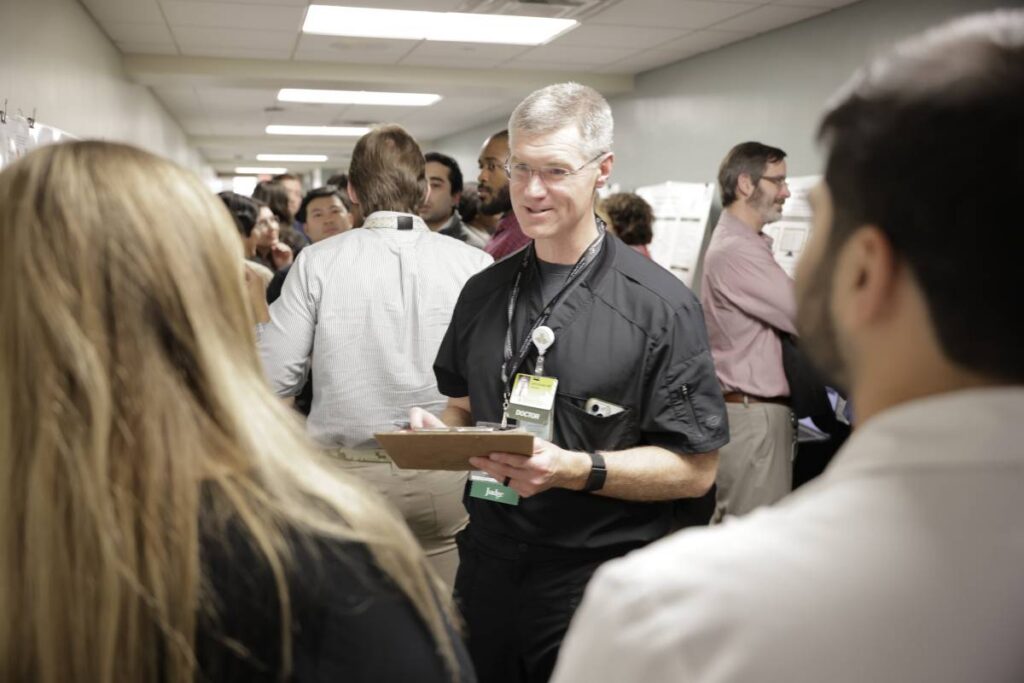
July marks one of the most exciting seasons in Graduate Medical Education. New interns begin the transition from medical student to physician, returning residents assume greater responsibility, and fellows step into expanded leadership roles. At the same time, faculty members embrace one of their most important responsibilities: creating the learning environment that will shape the next generation of physicians.
The first few weeks of the academic year are about far more than learning workflows and clinical expectations. They establish the foundation for trust, psychological safety, professional identity, and lifelong learning. Residents often remember how they were welcomed and supported during these early days long after they forget the details of orientation schedules.
As faculty, even small interactions can have a lasting impact.
Start with Connection
Before expecting learners to perform at their highest level, invest time in getting to know them.
Simple questions such as:
- “What are your goals for this rotation?”
- “What previous experiences can we build upon?”
- “How do you prefer to receive feedback?”
These conversations communicate that residents are valued as individuals and establish a collaborative learning relationship from the very beginning.
Make Expectations Explicit
One of the greatest sources of anxiety for new learners is uncertainty.
Rather than assuming expectations are understood, clearly discuss:
- Daily workflow and team communication
- Clinical responsibilities and levels of supervision
- Documentation expectations
- When and how to ask for help
- What successful performance looks like
Clear expectations reduce unnecessary stress and allow learners to focus their cognitive energy on patient care and learning.
Observe Before You Evaluate
The beginning of the year offers an opportunity to intentionally observe learners in authentic clinical settings. Focus first on understanding where each resident is starting rather than immediately judging performance.
Direct observation provides the information needed to offer meaningful coaching and individualized feedback. Early observations should answer the question:
“What does this learner need next?”
rather than
“How good is this learner?”
Normalize Learning
Every resident, whether an intern or senior resident, is adapting to a new level of responsibility.
Faculty members play an important role in reinforcing that:
- Asking questions demonstrates engagement, not weakness.
- Mistakes become opportunities for growth when addressed constructively.
- Learning is expected throughout training, regardless of experience.
When faculty model curiosity, humility, and continuous improvement, residents are more likely to do the same.
Delivering Feedback Early and Often
Residents should never have to wonder how they are doing.
Frequent and brief coaching conversations are often more effective than waiting for formal evaluations. Effective feedback is:
- Timely
- Specific
- Based on direct observation
- Focused on behaviors that can be improved
Early feedback helps learners adjust quickly while building confidence in their progress.
Remember That Residents Are People First
Behind every white coat is someone navigating significant personal and professional change. Many residents are relocating to a new city, adjusting to demanding schedules, building new relationships, and caring for patients with increasing independence—all while striving to meet high expectations.
A few moments of encouragement, genuine curiosity, or recognition of a job well done can make a meaningful difference. Feeling support helps residents engage more fully in learning and contributes to a stronger educational culture.
Looking Ahead
The habits we establish in July influence the culture of our learning environment for the entire academic year. Every interaction offers an opportunity to foster growth, confidence, and professional identity.
Thank you for investing your time, expertise, and mentorship in our residents and fellows. Your teaching extends far beyond clinical knowledge; it shapes the physicians they are becoming and the care our patients will receive for years to come.
We wish our faculty and learners a successful beginning to the new academic year. Welcome to another year of learning, growth, and excellence together.
Learn more about NGMC GME Faculty Development.